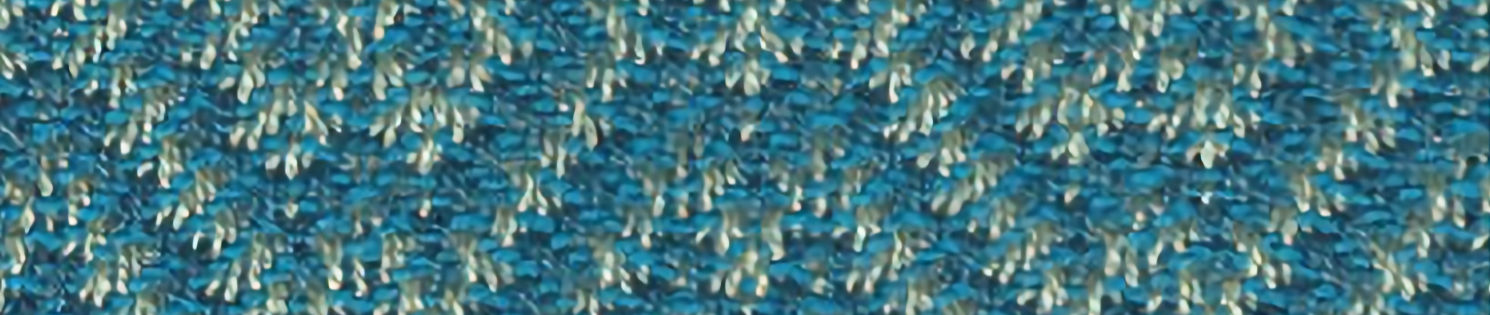
Parallel Threading Playground: Unlocking Pattern Potential
with Robyn Spady
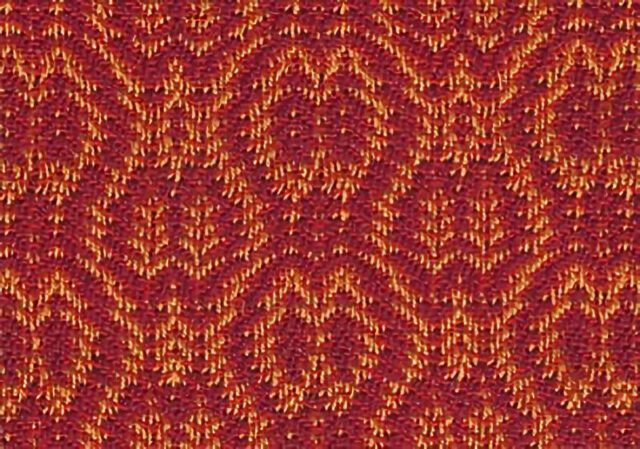
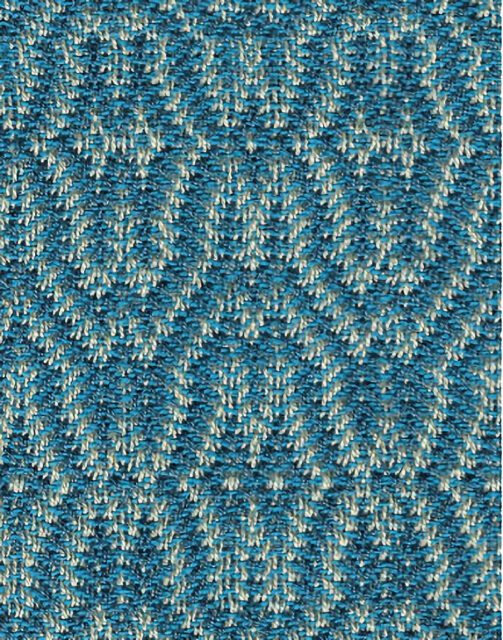
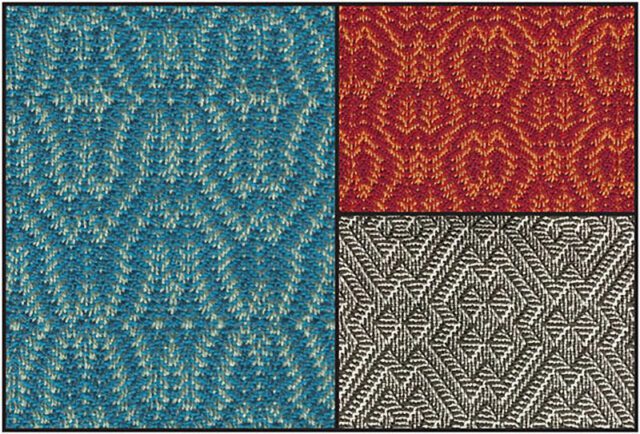
Discover the creative freedom of parallel threading that serves as a dynamic launchpad for endless design possibilities. From echo weaves and corkscrew twills to turned taqueté and network-drafted twills, parallel threadings offer a rich foundation for exploration. Add in weft variations in color and texture, and you’ll find yourself immersed in a true weaver’s playground.
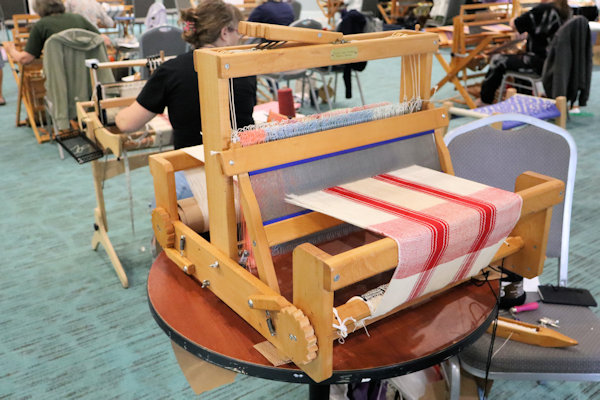
In this workshop, participants will arrive with their loom pre-warped using a selected parallel threading. From there, we’ll dive into a journey of discovery, experimenting with how a single threading can blossom into a multitude of patterns. Through a blend of presentations, discussions, hands-on exercises, and active weaving, you’ll gain a deeper understanding of design and drafting principles . . . empowering you to create your own unique woven expressions.
This is not a round-robin workshop; each participant will weave on their own loom. Minimum: 4 shafts. Recommended: 8 shafts for full design flexibility.
Skill/Experience Level
Advanced Beginner
Intermediate
Experienced
Class Day and Time
Friday – All Day
Saturday – All Day
Sunday – Half Day Morning
Material Fees
$20.00 to be paid directly to the instructor for spiral-bound workshop notebook printed in color with 100+ pages, worksheets.
Equipment and Supplies to be brought by Student
- pre-warped loom, four- or eight-shafts
- two shuttles, with bobbins
- scissors
- patience (some assembly required)
- curiosity in generous supply
- willingness to make “mistakes” that turn into design features
- respect for wonky selvedges or the possibility that a sample may just not turn out exactly as anticipated
More about preparing for class
A few words about planning and preparing warps:
Warp colors: Color is important with a parallel threading. For each threading, you will need two different warp colors that contrast in value. This means one must be dark and one must be light.
Comments about selecting colors: The greatest contrast in value is black and white; however, using a dark and a light color will allow for greater exploration of color interaction. Colors do not have to be from the same hue. Possible warp combinations could include dark purple and light blue, burgundy and light apricot, dark blue and pale green, etc. Variegated yarns should be avoided for the workshop.
Warp: There are two threadings – one four-shaft threading and one eight-shaft threading. The setts shown below are more of a suggestion than a rule. The type of project you may choose to do in the future may require a slightly different sett to achieve the desired results.
Warp and Sett – Choose one of the following:
| Yarn | Sett |
| 5/2 cotton | 24 epi |
| 8/2 cotton | 26-28 epi |
| 8/2 Tencel® or 10/2 cotton | 30-32 epi |
Width of warp – 6” to 8” inches (this is a recommended minimum)
Length of warp (this is a recommended minimum): Three yards for table looms and four yards for floor looms.
Wefts: Wefts required for the different treadling
- Same yarn in color and size as the warp yarns.
- At least two wefts the same size as the warp in contrasting colors (instructor will have wefts available to augment the color possibilities).
- Any other yarns in your stash you would like to experiment with during the workshop.
- At least two shuttles. Stick shuttles are fine. Extra bobbins for boat shuttles are encouraged.
Meet the Instructor
Robyn Spady

Robyn Spady was introduced to handweaving at a young age and has been weaving for over 50 years.